

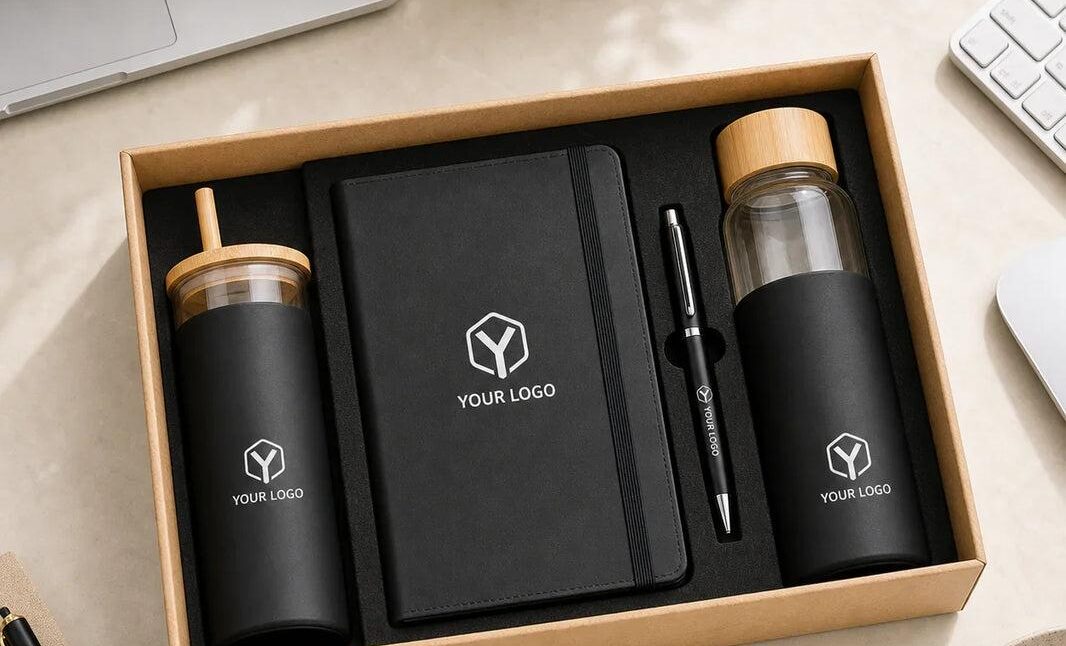
Corporate Gifting: 7 Smart Ways to Choose Business Gifts That Make an Impression
Corporate gifting is more than exchanging presents. It is an opportunity for businesses to recognise important relationships, express appreciation and create meaningful connections with clients, employees, suppliers and business partners.
However, choosing the right corporate gifts requires more than selecting attractive products and adding a company logo. The best business gifts are relevant to the recipient, appropriate for the occasion, well-presented and aligned with the organisation’s budget and values.
Whether you are preparing client appreciation gifts, employee recognition packages, conference welcome kits or promotional products, a thoughtful approach can make your corporate gifting programme more effective.
Here are seven practical considerations to help you choose corporate gifts that make a positive impression.
1. Define the Purpose of Your Corporate Gifting
Before selecting products, establish why you are giving the gift and what you want it to communicate.
Corporate gifts can serve different purposes depending on the relationship and occasion. For example, a business may send a thank-you gift to an established client, recognise an employee’s milestone, welcome a new business partner or prepare branded gift packages for an industry event.
Start by identifying:
- The recipient: Is the gift intended for a client, employee, supplier, business partner or event guest?
- The occasion: Is it for a company anniversary, year-end appreciation, conference, product launch or employee recognition?
- The message: Are you expressing gratitude, celebrating an achievement or welcoming a new relationship?
- The desired impression: Should the gift feel professional, personal, practical or celebratory?
A clear purpose makes it easier to select appropriate corporate gifts and avoid spending money on products that do not support the intended message.
2. Choose Promotional Products That Suit the Recipient
The most effective corporate gifts consider the recipient’s interests, professional environment and everyday needs.
A product that is useful in someone’s daily routine may have more lasting value than an item selected simply because it is fashionable or inexpensive.
Depending on your audience and budget, suitable business gifts may include:
- Quality notebooks, pens and stationery.
- Branded water bottles, mugs and drinkware.
- Laptop bags, backpacks and travel accessories.
- Desk organisers and office accessories.
- Technology accessories.
- Curated gift hampers.
- Executive gift sets and personalised merchandise.
Consider the recipient’s working environment, lifestyle and practical needs before making a decision. For a conference, for example, portable products that attendees can use during and after the event may be more suitable than bulky items.
Where you are selecting gifts for a diverse audience, consider product size, accessibility, dietary requirements and cultural preferences.
For additional product ideas, explore the Nextgen corporate gifts and promotional products shop.
3. Balance Quality, Budget and Presentation
A corporate gift represents the business giving it. Its quality and presentation can influence how the recipient perceives that organisation.
Start with a realistic budget and calculate the complete cost of the gifting programme. Do not consider the unit price alone. Include branding, packaging, assembly, personalisation, transportation and applicable taxes.
When requesting quotations, ask suppliers to clarify:
- Minimum order quantities.
- Unit pricing and available quantity discounts.
- Branding and artwork setup charges.
- Packaging and assembly costs.
- Sample availability.
- Production and delivery timelines.
Quality should remain a priority throughout the selection process. Check the product’s materials, functionality, finishing and packaging before approving an order.
A simple, well-made gift with neat presentation can create a better impression than an expensive product that feels poorly finished.
Where possible, request a sample and approve the artwork before production begins.
4. Personalise Gifts Without Overdoing the Branding
Personalisation can make corporate gifts feel more thoughtful and distinctive.
It may involve adding a recipient’s name, a personalised message, a company logo or a campaign identity. The appropriate level of branding depends on the purpose of the gift.
For example, a client appreciation gift may benefit from subtle company branding, while promotional products distributed at an exhibition may require more visible brand identification.
Before production, confirm:
- The correct company logo and artwork version.
- Brand colours and typography.
- Logo size and positioning.
- Print clarity and finishing.
- Accuracy of names and personalised messages.
- Consistency across all products in the gift set.
Avoid overcrowding products with logos and messages. Branding should complement the product rather than overwhelm it.
A carefully positioned logo, quality finish and thoughtful message can help create a more professional presentation.
5. Plan Corporate Gifting Logistics Early
Even well-selected gifts can create problems when production and delivery are poorly coordinated.
Corporate gifting programmes may involve multiple recipients, different locations, personalised products and strict delivery deadlines. These details should be managed before an order is confirmed.
Prepare a delivery plan covering:
- Final product selection and quantities.
- Approved quotation and purchase order.
- Artwork and personalisation approval.
- Sample review, where required.
- Production and quality checks.
- Packaging and gift assembly.
- Dispatch and delivery confirmation.
For gifts going to multiple offices or locations, confirm recipient names, delivery addresses, contact persons and any special handling requirements.
Allow enough time for production and transport, particularly during busy periods such as year-end celebrations, conferences and major corporate events.
A realistic production schedule helps reduce last-minute changes and gives everyone involved a clearer understanding of delivery expectations.
6. Consider Gift Policies and Responsible Product Selection
Corporate gifting should strengthen professional relationships without creating uncomfortable obligations or conflicts of interest.
Before sending gifts, check the recipient organisation’s policies on gifts, hospitality and promotional items. Some organisations, particularly public institutions and regulated businesses, have restrictions on the type or value of gifts employees may accept.
This is especially important when dealing with public officials, procurement teams and individuals involved in business decisions.
For guidance on gift-related responsibilities in Kenya, consult the Ethics and Anti-Corruption Commission’s guidance on gifts and declarations.
Responsible product selection also matters. Consider durability, usefulness, materials and packaging when evaluating products. Avoid describing items as environmentally friendly, sustainable or recyclable unless the relevant claims can be substantiated.
The Federal Trade Commission’s guidance on environmental marketing claims provides useful principles for making clear and supportable environmental claims.
7. Make Corporate Gifting Part of a Wider Marketing Strategy
Corporate gifts can support broader marketing and relationship-building activities when they are connected to a clear business objective.
For example, a branded gift package can form part of a client appreciation campaign, conference experience, product launch or employee engagement programme.
The important consideration is consistency. The products, packaging, branding and accompanying message should reflect the organisation’s identity and the purpose of the campaign.
Research can also help businesses understand what makes promotional products effective. A 2025 study by the Promotional Products Association International (PPAI) found that 61% of surveyed consumers clearly remembered the brand that gave them their most recent promotional product. This highlights the importance of choosing products that recipients value and remember.
Read the PPAI research on the impact of promotional products for further insights.
After a gifting campaign, review practical indicators such as:
- Whether the intended recipients received their gifts.
- Whether the products met the approved quality standards.
- Whether delivery deadlines were achieved.
- Feedback from recipients.
- Whether the programme supported its original purpose.
- Total expenditure against the approved budget.
Keep records of suppliers, product specifications, approved artwork, quantities, costs and delivery information. This makes future corporate gifting programmes easier to plan and manage.
Corporate Gifting Checklist: What to Confirm Before Ordering
Before approving your next corporate gifting order, check that you have addressed the following:
-
The purpose and occasion are clearly defined.
-
The recipient group has been identified.
-
Products are relevant and practical.
-
The budget includes branding, packaging and delivery.
-
Product quality and samples have been reviewed.
-
Logos, colours and personalisation details are approved.
-
Recipient gift policies have been considered.
-
Production and delivery timelines are confirmed.
-
Quantities and delivery details are accurate.
Frequently Asked Questions About Corporate Gifting
What is corporate gifting?
Corporate gifting is the practice of giving gifts to clients, employees, suppliers, business partners and other professional contacts. Businesses use it to express appreciation, recognise achievements, strengthen relationships and support corporate events or marketing activities.
What are the best corporate gifts for clients?
Suitable corporate gifts for clients include quality stationery, branded drinkware, executive gift sets, laptop bags, technology accessories and curated gift hampers. The best choice depends on the recipient, occasion, budget and company gifting policy.
How much should a business spend on corporate gifts?
There is no universal budget for corporate gifts. Spending depends on the number of recipients, product selection, branding requirements, packaging and delivery costs. Businesses should also consider internal gifting policies and any restrictions that apply to recipients.
Should corporate gifts include company branding?
Company branding can help recipients associate a product with the business, but the level of branding should suit the occasion. Subtle branding may be appropriate for executive or client appreciation gifts, while more visible branding may work better for event giveaways and promotional merchandise.
When should businesses order corporate gifts?
Businesses should begin planning early enough to allow for product selection, quotations, artwork approval, sampling, production, packaging and delivery. Larger orders and personalised products may require additional lead time.
Conclusion: Make Every Corporate Gift Count
Successful corporate gifting is not about choosing the most expensive product. It is about understanding the recipient, selecting an appropriate gift, maintaining quality and managing the details from selection to delivery.
When planned properly, corporate gifts can become a valuable part of client appreciation, employee recognition, business events and brand communication.
Planning a corporate gifting programme? Nextgen Marketing Services can help you explore promotional products, branded merchandise, product personalisation and corporate giveaway solutions.
Explore our corporate giveaways and branding services, learn more about Nextgen Marketing Services or contact our team to discuss your requirements.