

Lead Follow-Up System: 5 Powerful Steps to Convert More Leads
Getting someone to complete an enquiry form on your website is an important marketing achievement. But what happens after they click Submit?
For many businesses, this is where potential opportunities are lost. Enquiries arrive through websites, landing pages, social media campaigns and digital advertisements, but without a clear follow-up process, interested prospects can lose confidence, choose a competitor or simply forget about the business.
Generating leads is only one part of business growth. Organisations also need a reliable process for responding to enquiries, understanding customer requirements, building relationships and guiding potential customers towards a purchasing decision.
A well-structured lead follow-up system helps businesses turn incoming enquiries into meaningful sales conversations and potential customers.
In this guide, we explore five practical steps for building an effective lead follow-up process that improves response times, strengthens customer relationships and supports business growth.
Why Lead Follow-Up Matters
When someone completes an enquiry form, they are expressing an interest in learning more about a product or service. Their submission creates an opportunity for your business to begin a conversation.
However, submitting a form does not automatically mean that someone is ready to buy.
Some prospects want pricing information. Others are comparing suppliers, researching available solutions or preparing for a future purchase. Your follow-up process should recognise these differences.
A study published in Harvard Business Review, The Short Life of Online Sales Leads, examined how companies responded to online enquiries. Its findings highlighted the importance of prompt lead response and the risk of allowing enquiries to go unanswered.
The study is based on historical US business data, so its figures should not be treated as a universal conversion benchmark. However, its central lesson remains useful: businesses should make timely, organised follow-up a priority.
An effective lead follow-up system helps your organisation:
- Respond to enquiries promptly.
- Understand what prospective customers need.
- Identify qualified business opportunities.
- Maintain communication with interested prospects.
- Reduce the number of enquiries that go unanswered.
- Improve coordination between marketing and sales teams.
- Measure the effectiveness of lead generation campaigns.
Research published by Harvard Business Review in The Short Life of Online Sales Leads highlights the importance of responding promptly to online enquiries. Although the research is historical, it demonstrates why businesses should prioritise timely responses and establish clear lead management procedures.
5 Powerful Steps to Build an Effective Lead Follow-Up System
Step 1: Capture and Organise Every Lead
The first step begins immediately after someone submits an enquiry form.
Your business should have a reliable way of capturing and organising incoming leads. This information should not remain scattered across email inboxes, spreadsheets or individual employees’ phones.
Create a central lead management process that records essential information, including:
- Full name and contact details.
- Company or organisation.
- Product or service of interest.
- Enquiry date and source.
- Specific requirements or questions.
- Assigned salesperson or account manager.
- Current follow-up status.
For B2B organisations, additional information such as company size, industry, department and purchasing requirements may help the sales team assess the opportunity.
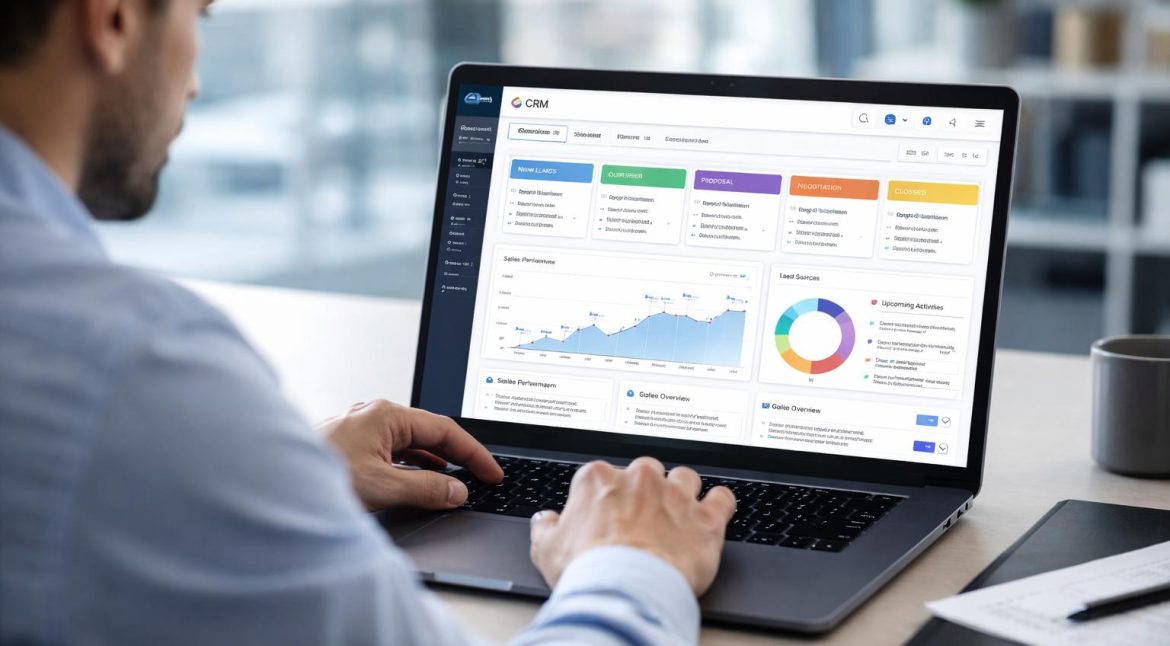
A customer relationship management (CRM) platform can help centralise this information, assign responsibilities and maintain a record of interactions.
Practical tip: Every new enquiry should have an assigned owner and a clear next action. Avoid leaving leads in an unmonitored inbox.
Step 2: Respond Quickly and Acknowledge the Enquiry
Once a lead has been captured, the next priority is responding.
A timely acknowledgement reassures the prospect that their enquiry has reached the right organisation. It also establishes an initial point of contact.
Where possible, aim to make the first personalised response within minutes during business hours. If a detailed answer requires additional research, acknowledge the enquiry first and communicate when the prospect can expect a more complete response.
Your initial message should:
- Thank the prospect for contacting your business.
- Acknowledge the specific enquiry.
- Confirm that the request has been received.
- Explain the next step.
- Provide a realistic response timeframe.
- Include relevant contact information.
Avoid relying entirely on automated confirmation emails. Automation can acknowledge receipt, but a personalised response is important when the enquiry requires consultation or clarification.
Example:
“Thank you for contacting us. We have received your enquiry regarding our corporate branding services. Our team is reviewing your requirements and will contact you shortly to discuss the available options.”
The objective is simple: make the prospect feel acknowledged rather than ignored.
Step 3: Qualify the Lead and Understand Its Requirements
Not every enquiry represents the same business opportunity.
Some prospects are ready to purchase, while others are still researching their options. Your team needs to understand the prospect’s requirements before recommending a solution.
Lead qualification helps determine whether an enquiry matches your business’s products, services and target customer profile.
For B2B enquiries, useful questions may include:
- What product or service are you looking for?
- What challenge are you trying to solve?
- What quantity, scope or scale do you require?
- When do you need the product or service?
- Do you have an estimated budget?
- Who is involved in the purchasing decision?
The questions should be relevant to the enquiry. Avoid overwhelming prospects with unnecessary information requests.
For example, a company enquiring about branded corporate merchandise may need to specify the type of products, quantity, branding requirements, delivery location and expected deadline.
A business requesting event management services may need to explain the event type, anticipated attendance, venue requirements and objectives.
The information gathered helps your team prepare a more relevant response and determine the appropriate next step.
Step 4: Nurture the Lead with Relevant Follow-Up Communication
Some prospects will not make a purchasing decision after the first conversation.
They may need additional information, internal approvals, budget confirmation or time to compare suppliers.
This is where lead nurturing becomes important.
Lead nurturing involves maintaining relevant communication with prospective customers until they are ready to take the next step.
An effective follow-up sequence can include:
First follow-up: Provide the requested information
Send the product details, service information, quotation or answers discussed during the initial conversation.
Second follow-up: Address questions and concerns
Check whether the prospect has reviewed the information and whether they need clarification.
Third follow-up: Share useful information
Provide a relevant case study, product catalogue, service guide or practical resource that helps the prospect make an informed decision.
Fourth follow-up: Reconfirm interest and timing
Ask whether the project is still active and whether the prospect has a preferred timeline.
Fifth follow-up: Agree on the next action
Establish whether the prospect wants to proceed, requires more time or would prefer to be contacted later.
The timing of each follow-up should depend on the prospect’s interest, urgency and communication preferences. Avoid sending repetitive messages that provide no additional value.
A good follow-up message should always give the recipient a clear reason to respond.
Step 5: Track Results, Improve and Convert Opportunities
A lead follow-up system should not end with sending messages. Businesses also need to monitor what happens after each interaction.
Tracking results helps identify where prospects are progressing, where opportunities are being lost and which marketing activities generate the most valuable enquiries.
Useful performance indicators include:
- Lead response time: How long does it take to make the first personalised response?
- Contact rate: What percentage of leads receive a meaningful response?
- Lead qualification rate: How many enquiries meet your business requirements?
- Follow-up completion rate: Are assigned follow-up actions being completed?
- Conversion rate: How many leads progress into customers?
- Lead source performance: Which campaigns and channels generate qualified opportunities?
- Sales cycle length: How long does it take to move from initial enquiry to a purchasing decision?
Use these measures to identify weaknesses and improve the process.
For example, if many enquiries arrive through a website but few receive quotations, your team may need to improve lead qualification or internal response coordination.
If prospects receive quotations but rarely proceed, review pricing communication, proposal quality, follow-up timing and the way objections are handled.
The goal is to create a continuous improvement process rather than simply collecting more enquiries.
What Happens When Businesses Do Not Follow Up?
An organisation can invest heavily in advertising, website development, content marketing and lead generation but still lose potential customers if its follow-up process is weak.
Common lead follow-up mistakes include:
Responding Too Late
Prospects may contact several suppliers at the same time. A delayed response can create an opportunity for a competitor to engage first.
Treating Every Lead the Same Way
A prospect requesting an urgent quotation has different needs from someone researching a service for a future project. Follow-up should reflect the prospect’s requirements and stage in the buying process.
Failing to Assign Responsibility
When nobody is responsible for an enquiry, it can remain unanswered. Every lead should have an owner and a defined next action.
Sending Generic Follow-Up Messages
Repeated messages that simply ask whether someone has made a decision can become frustrating. Provide useful information and address the prospect’s actual concerns.
Failing to Record Communication
Without an accurate record of previous interactions, different employees may contact the same prospect with conflicting information or repeat questions.
Giving Up Too Early
Some B2B purchasing decisions involve multiple stakeholders, budget approvals and longer evaluation periods. A structured nurturing process helps maintain appropriate contact without pressuring prospects.
How Technology Improves Lead Follow-Up
Technology can make lead management more consistent, especially for businesses receiving enquiries from multiple channels.
A suitable CRM or lead management platform can help organisations:
- Capture website enquiries automatically.
- Store prospect information in one location.
- Assign leads to team members.
- Schedule follow-up reminders.
- Track emails, calls and meetings.
- Monitor sales pipeline stages.
- Generate performance reports.
- Identify leads that require attention.
Email marketing platforms can also support lead nurturing by delivering relevant information to prospects who have given the appropriate consent.
However, technology alone does not guarantee successful lead conversion. Businesses still need clear processes, relevant communication and people who take responsibility for managing enquiries.
Businesses exploring customer relationship management can review Salesforce’s CRM guide to understand how CRM systems help organise customer information, manage interactions and support sales activities.
Building a Lead Follow-Up Strategy for B2B Businesses in Kenya
B2B businesses in Kenya often engage with prospects who require more than a simple product description before making a purchasing decision.
Corporate procurement, marketing, human resources, administration and events teams may need quotations, product samples, supplier information, internal approvals and delivery confirmations.
This makes a structured follow-up process particularly valuable.
For example, a company enquiring about corporate giveaways may need to consider:
- The type and quantity of merchandise.
- Branding methods and artwork requirements.
- Budget and unit costs.
- Production and delivery timelines.
- Packaging and distribution.
- Approval of product samples or mock-ups.
A well-organised follow-up process allows the supplier to gather these requirements, recommend suitable options and maintain communication throughout the purchasing process.
Businesses should also ensure that personal information collected through enquiry forms is handled responsibly and in accordance with applicable data protection requirements in Kenya.
How Nextgen Marketing Services Supports B2B Lead Generation
Generating enquiries is important, but businesses also need a strategy for identifying relevant prospects, reaching decision-makers and managing opportunities.
NextGen Marketing Services supports organisations through integrated marketing activities, including B2B lead generation, digital marketing, marketing communications and business engagement.
Our B2B lead generation approach helps businesses identify potential customers and connect with relevant decision-makers.
Depending on the project requirements, support can include:
- Target market and audience identification.
- Business prospect research.
- Contact database development.
- Lead generation campaign support.
- Marketing communication.
- Lead management and coordination.
- Campaign monitoring and reporting.
For organisations seeking to improve their marketing and sales pipeline, explore our B2B lead generation services in Kenya.
You can also learn more about our integrated marketing services and approach to managing projects.
Frequently Asked Questions About Lead Follow-Up
What is a lead follow-up system?
A lead follow-up system is a structured process for responding to, organising, qualifying and nurturing prospective customers after they express interest in a business’s products or services.
How quickly should a business follow up with a new lead?
Businesses should aim to acknowledge and respond to enquiries as quickly as reasonably possible, ideally within minutes during business hours. If a complete answer is not immediately available, send an acknowledgement and provide a realistic response timeframe.
How many times should you follow up with a lead?
There is no universal number that works for every industry or prospect. The appropriate frequency depends on the lead’s interest, purchasing timeline, communication preferences and previous responses. Each follow-up should provide relevant value.
What is the difference between lead generation and lead nurturing?
Lead generation focuses on attracting and capturing prospective customers. Lead nurturing focuses on building relationships with those prospects through relevant communication and engagement until they are ready to take the next step.
What tools can businesses use to manage leads?
Businesses can use CRM platforms, lead management systems, email marketing tools and website form integrations to organise enquiries, assign responsibilities, schedule follow-ups and monitor performance.
Why do businesses lose leads after receiving enquiries?
Common reasons include slow responses, poor communication, lack of lead ownership, inadequate qualification, generic follow-up messages and failure to maintain contact with interested prospects.
Conclusion: Turn Every Enquiry into an Opportunity
A website enquiry is not the end of the marketing process. It is the beginning of a potential business relationship.
Organisations that capture leads accurately, respond promptly, understand customer requirements, nurture prospects and measure results are better positioned to manage their sales opportunities effectively.
The most successful lead follow-up systems combine people, processes and technology. They make sure that every relevant enquiry receives attention and that every prospect has a clear next step.
Are you looking to generate more qualified business enquiries and strengthen your sales pipeline? Explore Nextgen Marketing Services’ B2B lead generation solutions and discover how structured marketing support can help your business reach the right prospects.