


Design an Exhibition Booth That Supports B2B Event Lead Generation in Rwanda
An exhibition booth can attract visitors, introduce your business and create valuable conversations. However, the real business value of attending an exhibition is determined by what happens before, during and after the event.
A well-planned event marketing strategy helps businesses connect exhibition participation with wider sales and marketing objectives. By identifying target organisations and decision-makers before the event, your team can focus its efforts on conversations that have genuine business potential.
For businesses exhibiting in Rwanda, particularly in Kigali, a successful event should do more than generate foot traffic. It should help your team connect with relevant decision-makers, identify potential customers, build business relationships and create opportunities for future engagement.
A well-designed exhibition stand is important, but it is only one part of the process. Without clear objectives, an organised lead-capture system and a structured follow-up plan, promising conversations can easily be forgotten.
This guide explains seven practical ways to strengthen B2B event lead generation in Rwanda and turn exhibition participation into a more organised business development process.
1. Define Your Exhibition Objectives and Target Audience
Before booking an exhibition space or designing your booth, determine what your business wants to achieve.
A general objective such as increasing brand awareness is a useful starting point, but it needs to be supported by measurable activities.
Your exhibition objectives could include:
- Introducing a new product or service to the Rwandan market.
- Meeting procurement managers and business decision-makers.
- Identifying potential distributors, suppliers or strategic partners.
- Generating qualified business enquiries.
- Arranging meetings with prospective customers.
- Strengthening relationships with existing clients.
Next, identify the people and organisations you want to reach. Depending on your industry, your target audience may include business owners, procurement professionals, marketing managers, human resource managers, investors or institutional representatives.
If you already have a list of priority organisations, research their business activities and identify relevant contacts using publicly available information.
For businesses attending exhibitions in Kigali, this preparation can help the team prioritise relevant conversations instead of trying to engage every visitor who approaches the stand.
Practical tip: Set a small number of measurable targets, such as qualified conversations, meetings requested and follow-up actions agreed. Use targets that reflect the event’s audience and your team’s capacity.
2. Design an Exhibition Booth That Communicates Your Value
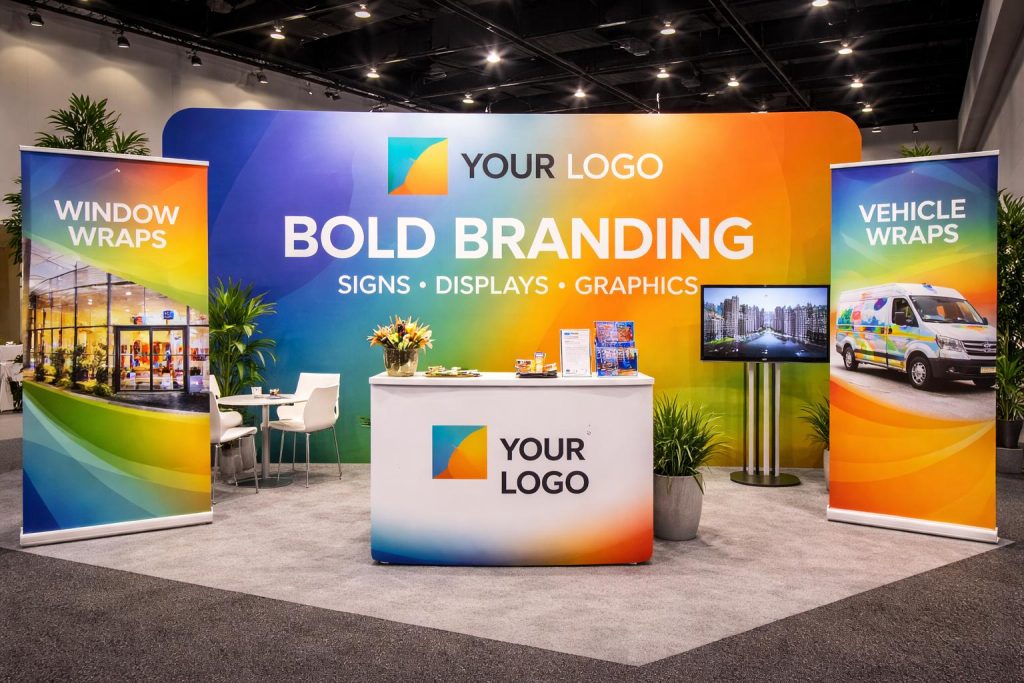
Your exhibition stand should help visitors understand what your business offers and why they should engage with your team.
A visually attractive booth can create an initial impression, but its message must be clear. Visitors should be able to understand your central offering without having to read several paragraphs of promotional material.
Prioritise these elements:
- Clear messaging: Explain what your business does and the audience it serves.
- Visible branding: Maintain consistent use of your brand identity, colours and visual elements.
- Relevant displays: Showcase products, services, demonstrations or examples that support your message.
- Clear calls to action: Encourage visitors to request information, book a meeting or speak with a representative.
- Comfortable conversation areas: Allow visitors to discuss business requirements without obstructing the main visitor flow.
Also consider the practical requirements of your venue. These may include booth dimensions, power supply, internet connectivity, lighting, storage, furniture, accessibility, installation schedules and exhibition organiser guidelines.
Rwanda has established business-event infrastructure, including the Kigali Convention Centre and other venues listed by the Rwanda Convention Bureau. When preparing for an exhibition, consult the organiser and venue directly to confirm the applicable technical and installation requirements.
3. Prepare Your Team and Lead-Capture System
Your exhibition team represents your business throughout the event. Everyone should understand the purpose of the exhibition, the target audience and the expected visitor experience.
Before the event, organise a briefing covering:
- The business’s main products and services.
- The key messages visitors should understand.
- Priority customer profiles and target organisations.
- Frequently asked questions and appropriate responses.
- Demonstration procedures and presentation materials.
- Individual responsibilities and escalation procedures.
Assign clear roles. One person may welcome visitors, another may handle detailed product discussions, while another manages demonstrations or records visitor information.
Your lead-capture process should also be agreed in advance.
Depending on the event, you may use a digital form, approved scanning system, CRM platform or structured spreadsheet. Whatever the method, make sure the team records useful information consistently.
Consider capturing:
- Visitor’s name and organisation.
- Professional role or department.
- Business email or preferred contact details.
- Product or service of interest.
- Main business challenge or requirement.
- Conversation notes.
- Agreed next step.
- Relevant permission or lawful basis for subsequent communication.
Only collect information that is necessary for the intended business purpose. Explain how contact information will be used and ensure the process follows applicable privacy requirements.
For events in Rwanda, businesses should pay particular attention to the country’s Law No. 058/2021 relating to the protection of personal data and privacy. The official Rwanda Data Protection and Privacy Office provides information and guidance on the country’s data protection framework.
Effective trade show lead management starts with a consistent process for collecting, organising and categorising visitor information. Whether your team uses a CRM or a digital lead-capture form, the information should be accessible to the people responsible for follow-up.
4. Qualify Exhibition Leads Before They Leave the Booth
Not every exhibition visitor is a potential customer. Some may be exploring the market, researching suppliers, seeking employment or simply collecting information.
A simple lead qualification process helps your team distinguish general interest from a relevant business opportunity.
Use practical questions such as:
- What brings you to the exhibition?
- What products or services are you currently looking for?
- What business challenge are you trying to address?
- Are you evaluating suppliers or planning a new project?
- When would you expect to make a decision?
- Who else is involved in the decision-making process?
The objective is not to turn every conversation into a sales pitch. It is to understand the visitor’s needs and determine whether a useful next step exists.
You can organise contacts into categories such as:
High-priority prospects: Visitors with a clear requirement, relevant business need and an agreed next action.
Potential prospects: Visitors who show interest but need further information, internal consultation or additional time.
Business contacts and partners: Suppliers, distributors, industry representatives and potential strategic collaborators.
General enquiries: Visitors who request information but have not identified a specific business requirement.
Record short, accurate notes immediately after each meaningful conversation. This makes it easier for the sales team to personalise communication after the exhibition.
5. Create Your Exhibition Follow-Up Plan Before the Event
One of the most important parts of B2B event lead generation is deciding what happens after a visitor leaves your exhibition stand.
Do not wait until the event ends to work out who will contact the leads, what information they will use or how follow-up will be managed.
Prepare the process in advance.
A practical follow-up plan should identify:
- Who is responsible for each lead category.
- Where contact information and conversation notes will be stored.
- How leads will be transferred into the CRM or approved tracking system.
- Which contacts require immediate attention.
- What communication should be sent.
- When the next action is due.
- How the team will record responses and progress.
The first follow-up message should refer to the actual conversation. Remind the recipient where you met, mention the product or business challenge discussed and suggest the next step.
For example, a visitor who requested a product demonstration should receive a message offering to arrange that demonstration. Someone who requested a company profile may need the relevant document and an invitation to discuss their requirements.
Avoid sending the same generic sales message to every visitor whose details were captured.
Example Exhibition Follow-Up Timeline
| Timing | Recommended action |
|---|---|
| During the event | Record visitor details, interests and conversation notes. |
| Within 24–48 hours | Review and assign relevant leads to responsible team members. |
| Within 2–5 working days | Send personalised follow-up communication based on the discussion. |
| Within 1–2 weeks | Arrange demonstrations, meetings or additional information where requested. |
| Within 30 days | Review responses, meetings, qualified opportunities and outstanding actions. |
These are suggested planning intervals, not fixed industry rules. Adjust them to the nature of the event, the urgency of enquiries and the expectations agreed with each contact.
An effective exhibition follow-up plan should be prepared before the event begins. It should explain how contacts will be assigned, how conversations will be documented and how the team will move relevant enquiries towards meetings, demonstrations or proposals.
6. Extend the Exhibition Through Content and Digital Marketing
Your exhibition should not be treated as a one-day marketing activity. It can also create useful content that supports your marketing and sales communication after the event.
With appropriate permission, your team can capture:
- Short product demonstrations.
- Interviews with company representatives.
- Answers to frequently asked questions.
- Exhibition highlights and business updates.
- Photographs of the stand and approved interactions.
- Educational videos explaining products or services.
This material can be adapted into social media posts, website articles, email updates and sales presentation resources.
For businesses targeting audiences in Rwanda, consider creating content that reflects the questions, priorities and market needs raised during the event.
Prepare a content schedule before the exhibition. Decide who will capture material, who will approve it and where it will be published.
Always obtain appropriate permission before publishing identifiable photographs, names, customer stories or direct quotations. Avoid presenting a visitor’s attendance or participation as an endorsement of your business unless they have explicitly approved that use.
7. Measure Exhibition Performance and Track Opportunities
Once the event ends, review the results against the objectives established during planning.
Counting business cards or scanned visitor badges is not enough. Your review should distinguish general interactions from contacts that have a realistic potential to become business opportunities.
Useful performance indicators include:
- Total meaningful conversations.
- Number of relevant business contacts.
- Qualified leads generated.
- Meetings requested and meetings completed.
- Follow-up response rate.
- Sales opportunities created.
- Opportunities progressing through the sales pipeline.
- Event-related expenditure.
- Cost per qualified lead, where reliable cost and lead data are available.
You can use a simple reporting structure to organise the results.
| Performance area | What to review |
|---|---|
| Audience engagement | Relevant visitors and meaningful conversations |
| Lead generation | Qualified contacts and business enquiries |
| Follow-up | Assigned leads, messages sent and responses received |
| Sales activity | Meetings, demonstrations and proposals requested |
| Pipeline progress | Opportunities created and their current status |
| Event investment | Costs compared with the outcomes achieved |
Where possible, distinguish opportunities generated directly by the exhibition from opportunities that were already active or influenced by other marketing activities.
Some B2B sales cycles take longer than 30 days. An initial review can identify early progress, while later reviews may be needed to understand whether the exhibition contributed to actual sales.
The purpose of measurement is to improve future event decisions, not to attribute every sale to a single marketing activity.
Reviewing exhibition lead generation results helps businesses understand whether their event marketing investment is contributing to meaningful commercial opportunities. Track both the quantity and quality of leads rather than relying only on visitor numbers.
Build Your Rwanda Exhibition Strategy Around the Full Customer Journey
A successful exhibition is not defined by the appearance of the booth alone. It depends on how well the business connects its event objectives, audience, visitor experience, lead capture and follow-up activities.
For businesses participating in exhibitions and trade events in Rwanda, planning these elements together can create a more organised approach to business development.
Before committing to an exhibition, make sure your team knows whom it wants to meet, what information it needs to collect and how it will continue the conversation after the event.
The booth creates the opportunity. The follow-up process helps move that opportunity forward.
Frequently Asked Questions
How can businesses generate B2B leads at exhibitions in Rwanda?
Businesses can generate B2B leads by identifying target organisations, preparing a clear exhibition message, engaging relevant decision-makers, capturing useful contact information and following up with personalised communication after the event.
Why should exhibition follow-up be planned before the event?
Planning in advance ensures that team members understand their responsibilities, lead information is recorded consistently and every relevant contact has an assigned next action. It also reduces the risk of losing promising enquiries after the exhibition.
What information should businesses collect from exhibition visitors?
Businesses should collect relevant details such as a visitor’s name, organisation, professional role, contact information, area of interest, conversation notes and agreed next step. They should also consider applicable privacy requirements and avoid collecting unnecessary personal information.
How soon should businesses follow up after an exhibition?
A useful approach is to review and assign leads within 24–48 hours, then send personalised follow-up communication within an appropriate period. The exact timing should reflect the visitor’s request, the urgency of the opportunity and any agreed next steps.
How can businesses measure the success of an exhibition?
Businesses can assess performance by reviewing qualified leads, relevant conversations, meetings booked, follow-up responses, sales opportunities and pipeline progression. Event expenditure can also be compared with measurable outcomes where reliable data is available.
Planning an Exhibition or Business Event in Rwanda?
Nextgen Marketing Services supports businesses with integrated marketing activities, corporate events, branding, printing and lead generation.
If your organisation is preparing for an exhibition or business event in Rwanda, speak with our team about your event objectives, exhibition requirements and post-event marketing needs.
Explore our corporate events services or contact Nextgen Marketing Services to discuss your requirements.
You can also explore our projects to learn more about our work.
Strong trade show lead management connects exhibition conversations with the wider sales pipeline. When businesses combine audience research, consistent lead capture and a clear exhibition follow-up plan, they can make better use of the relationships established at each event.